

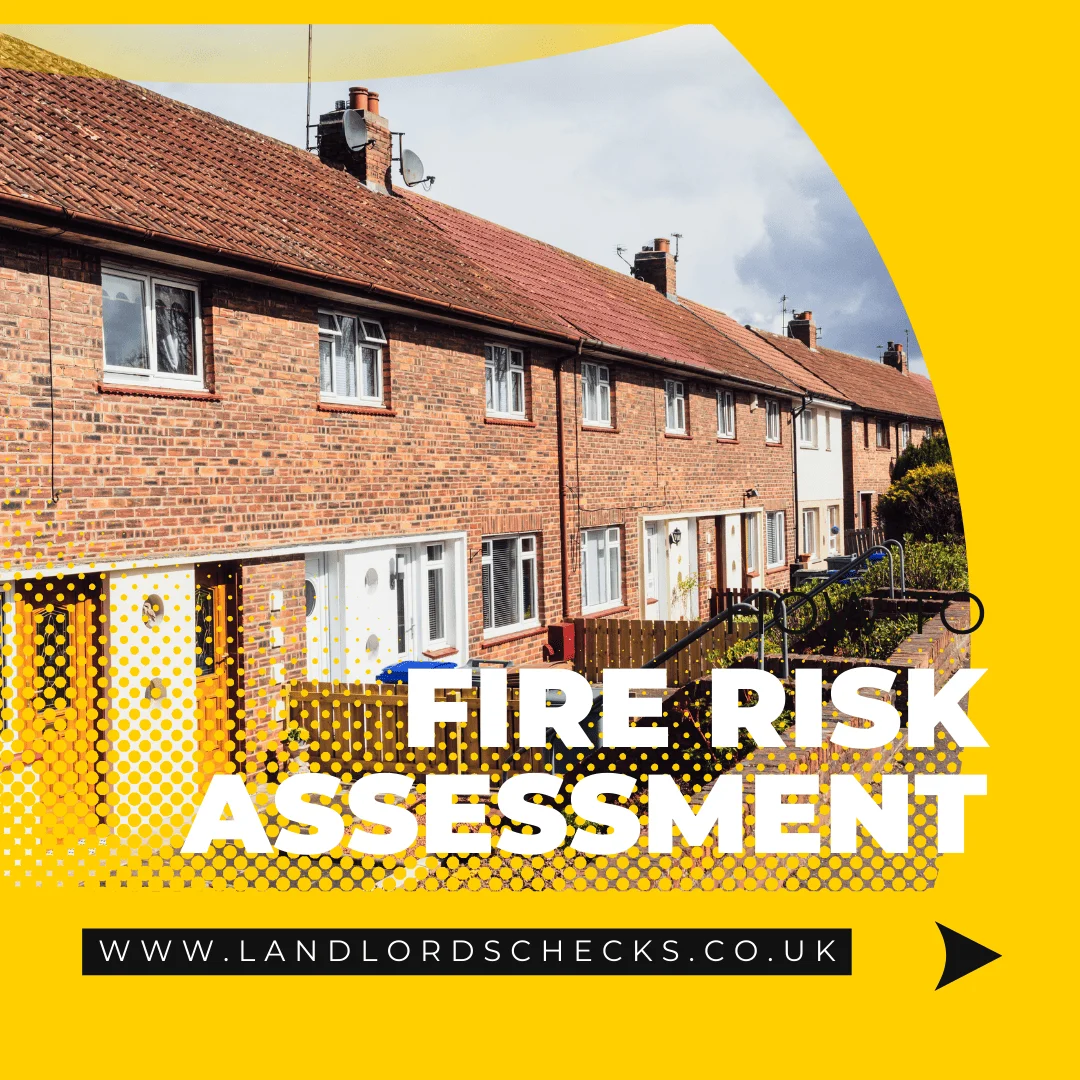
Fire safety in residential buildings has never been more critical, particularly following high-profile incidents that highlighted the devastating consequences of inadequate fire risk assessment and management. Understanding legal requirements for fire risk assessment in flats protects residents, ensures compliance, and helps property owners fulfill their crucial safety responsibilities.
Legal Framework for Fire Risk Assessment
Yes, fire risk assessments are absolutely a legal requirement for flats in the UK. The Regulatory Reform (Fire Safety) Order 2005, commonly called the Fire Safety Order, establishes comprehensive fire safety requirements for virtually all non-domestic premises and common areas of residential buildings.
This fire risk assessment regulatory reform order 2005 legislation places responsibility on the “responsible person”—typically the building owner, landlord, or managing agent—to conduct suitable and sufficient fire risk assessments covering all areas under their control. For flat buildings, this includes entrance halls, stairways, corridors, lift lobbies, bin storage areas, plant rooms, and any other shared spaces.
The legislation applies regardless of building size or occupant numbers. Whether managing a small converted house with three flats or a large purpose-built apartment block, responsible persons must conduct proper fire risk assessments and implement appropriate fire safety measures based on findings.
Individual flats themselves fall outside Fire Safety Order requirements when occupied by single families. However, Houses in Multiple Occupation (HMOs) require fire risk assessments for the entire building including individual rooms, as these properties don’t qualify as single private dwellings under the legislation.
Who Is the Responsible Person?
The Fire Safety Order designates specific individuals as “responsible persons” accountable for fire safety compliance. In most flat buildings, this typically means the freeholder, landlord, or property management company controlling common areas and building infrastructure.
For leasehold flats, responsibility generally rests with the freeholder or their appointed managing agent rather than individual leaseholders. However, lease agreements sometimes transfer certain fire safety responsibilities to leaseholders, making careful review of lease terms essential for understanding obligations.
In buildings with multiple owners sharing management responsibilities through residents’ management companies, all directors typically share responsible person duties collectively. This shared responsibility requires coordination and clear communication to ensure comprehensive fire safety management across all areas.
The responsible person must have control over the areas covered by the fire risk assessment. Someone managing only the building exterior cannot conduct meaningful fire and risk assessment for internal common areas they cannot access or influence. Clear delineation of control areas prevents dangerous gaps in fire safety coverage.
Professional services like Landlords Checks help property owners understand their specific responsibilities and arrange comprehensive fire safety assessments covering all required areas, ensuring nothing falls through administrative cracks.
What Does Fire Risk Assessment Cover?
A proper risk fire assessment systematically examines all fire hazards and existing control measures to identify areas requiring improvement. This comprehensive process identifies potential ignition sources including electrical equipment, heating systems, cooking appliances, smoking materials, arson risks, and any processes creating heat or sparks.
Assessors evaluate combustible materials present throughout buildings, including furniture, decorations, stored items, waste accumulation, and building materials that could fuel fires. Understanding what might burn and how quickly helps determine appropriate safety measures.
The assessment identifies people at particular risk, especially those sleeping in flats who might not immediately detect fires starting in common areas. Special consideration goes to vulnerable residents including elderly people, those with mobility impairments, people with sensory impairments affecting fire alarm detection, and parents with young children.
Existing fire safety measures receive thorough evaluation, examining fire detection and alarm systems, emergency lighting, fire doors and compartmentation, escape routes and exits, firefighting equipment, emergency procedures, and staff or resident training on fire safety protocols.
The fire safety risk assessment process culminates in documented findings with clear recommendations for improvements, prioritized by risk level and urgency. This creates actionable roadmaps for enhancing fire safety systematically and proportionately to identified risks.
Frequency of Fire Risk Assessment
The Regulatory Reform (Fire Safety) Order 2005 doesn’t specify exact timelines for repeating fire risk assessments, instead requiring that assessments remain suitable, sufficient, and current. However, practical guidance suggests reviewing assessments annually as a minimum standard for most residential buildings.
Significant changes triggering immediate reassessment include building alterations or refurbishments, changes in building use or occupancy patterns, installation of new equipment or systems, near-miss incidents or fire safety concerns, changes to applicable fire safety regulations or guidance, and recommendations from fire authorities following inspections.
High-risk buildings including high-rise residential blocks over 18 meters, buildings with vulnerable residents, properties with previous fire safety issues, and HMOs should undergo more frequent assessments, often every six months or even quarterly depending on specific risk factors.
Properties with good fire safety records, stable occupancy, and no significant changes might extend review intervals slightly, though annual reassessment remains best practice regardless of building characteristics. Regular reviews demonstrate ongoing commitment to fire safety and help identify emerging risks before they create dangerous situations.
Penalties for Non-Compliance
Failure to conduct required fire risk assessments or implement necessary safety measures carries serious consequences. The Fire Safety Order grants enforcement authorities significant powers including issuing enforcement notices requiring specific improvements within set timeframes, prohibition notices preventing building use until critical safety deficiencies are resolved, and unlimited fines for serious breaches endangering life.
In extreme cases, responsible persons face imprisonment for up to two years for serious offenses showing reckless disregard for fire safety. Courts don’t take fire safety failures lightly, particularly when negligence results in injuries, deaths, or significant property damage.
Beyond legal penalties, non-compliance creates substantial civil liability risks. Property owners failing to meet fire safety obligations face negligence claims if fires result in tenant injuries or deaths. Insurance companies may refuse to pay fire-related claims for properties without adequate fire risk assessments, potentially costing hundreds of thousands or even millions of pounds.
The reputational damage from fire safety failures can devastate property management businesses, making future lettings difficult and damaging relationships with lenders, insurers, and local authorities. The comprehensive nature of potential consequences makes proactive fire safety compliance an obvious priority.
Common Fire Safety Issues in Flats
Fire risk assessors frequently identify recurring problems in residential flat buildings that increase fire risks unnecessarily. Blocked or obstructed escape routes rank among the most common issues, with bicycles, prams, furniture, or storage items placed in communal hallways and stairwells creating dangerous obstacles during evacuations.
Damaged or wedged-open fire doors undermine compartmentation strategies designed to contain fires and smoke within specific areas. Fire doors must close fully and latch properly to provide intended protection, yet residents often wedge them open for convenience, completely negating their life-saving function.
Missing or inadequate fire detection systems leave residents vulnerable to undetected fires developing in common areas. Modern standards require interconnected smoke and heat detection throughout common areas with regular testing and maintenance ensuring reliable operation.
Poor housekeeping creates avoidable fire risks, particularly accumulated rubbish in bin stores, flammable materials stored inappropriately in communal areas, and excessive amounts of combustible materials anywhere in buildings. Good housekeeping forms a fundamental aspect of fire prevention often overlooked in fire and risk assessment processes.
Inadequate emergency lighting leaves residents struggling to navigate escape routes during power failures or smoke-obscured conditions. Battery-backed emergency lighting must illuminate all escape routes adequately and receive regular testing to ensure functionality when needed most.
Fire Risk Assessment for Different Building Types
Low-rise purpose-built blocks typically have straightforward fire safety arrangements with protected stairwells, fire doors separating flats from common areas, and simple evacuation strategies usually involving simultaneous evacuation when alarms sound. Fire risk assessment near me searches often identify local assessors familiar with these common building types.
Converted buildings require more complex assessment due to varied layouts, potentially compromised compartmentation from conversion work, mixed construction methods and materials, and challenging escape route configurations. These properties often need more extensive safety measures than purpose-built alternatives.
High-rise buildings above 18 meters height face additional scrutiny following regulatory changes post-Grenfell. These buildings require enhanced fire safety measures including evacuation alert systems, better compartmentation and fire door standards, regular inspections of external wall systems, and potentially costly remediation work where dangerous materials are identified.
Houses in Multiple Occupation (HMOs) need particularly thorough fire safety risk assessment processes covering entire buildings including individual rooms. HMO fire safety standards typically exceed requirements for standard flats, recognizing the greater risks associated with shared living arrangements and more transient populations.
The Fire Risk Assessment Process
Professional fire risk assessors follow systematic methodologies ensuring comprehensive coverage of all relevant factors. The process begins with identifying fire hazards throughout buildings, examining ignition sources, fuel sources, and processes that might start fires in common areas.
Assessors then identify people at risk, paying special attention to vulnerable individuals and those potentially unaware of fire risks developing outside their flats. Understanding occupancy patterns, resident characteristics, and building usage helps predict how people might respond during fire emergencies.
Evaluation of existing control measures examines whether current fire safety arrangements adequately address identified risks. This includes testing alarm systems, checking fire door operation, assessing escape route suitability, and reviewing emergency procedures and resident information.
The fire risk assessor documents findings in detailed reports outlining identified risks, assessing their likelihood and potential severity, recommending specific improvements prioritized by urgency, and establishing action plans with clear responsibilities and timelines for implementation.
Regular monitoring and review ensures recommendations are implemented effectively and remain appropriate as circumstances change. The cyclical nature of fire risk assessment creates continuous improvement rather than one-time compliance exercises.
Responsibilities After Assessment
Completing a fire risk assessment is only the beginning—responsible persons must act on findings to achieve meaningful fire safety improvements. This requires implementing recommended improvements within specified timeframes, prioritizing high-risk issues requiring immediate attention over lower-priority enhancements.
Establishing clear fire safety management arrangements ensures ongoing attention to fire safety rather than periodic compliance efforts. This includes designating competent persons to manage fire safety day-to-day, establishing maintenance schedules for fire safety equipment and systems, developing emergency procedures appropriate to building characteristics, and training staff or residents on fire safety awareness and emergency responses.
Documentation and record-keeping prove essential for demonstrating compliance with fire safety obligations. Maintain copies of fire risk assessments and review records, keep records of fire safety equipment testing and maintenance, document fire safety training provided to staff or residents, and record any incidents, near-misses, or fire safety concerns raised.
Communication with residents helps ensure everyone understands fire safety arrangements and their personal responsibilities. Provide clear information about escape routes and assembly points, explain fire alarm systems and what to do when they activate, clarify policies on items in common areas and fire door usage, and establish reporting mechanisms for fire safety concerns.
Selecting a Fire Risk Assessor
While the law allows responsible persons to conduct their own fire risk assessments if competent to do so, most property owners benefit from professional expertise. When selecting fire risk assessors, verify their qualifications and experience, looking for professionals with recognized fire safety qualifications, proven experience assessing similar building types, professional indemnity insurance covering their work, and membership in relevant professional bodies.
Request examples of previous assessment reports to evaluate thoroughness and clarity of recommendations. Quality assessors provide detailed, practical reports rather than generic template documents with little specific guidance for individual properties.
Understand what’s included in quoted fire risk assessment costs, confirming that prices cover comprehensive assessments of all required areas, detailed written reports with prioritized recommendations, reasonable post-assessment support for queries about implementation, and follow-up visits if needed to verify critical improvements.
The fire risk assessment price should reflect the complexity and size of your property. Be wary of suspiciously cheap quotes suggesting inadequate time allocated for thorough assessment work. Quality fire safety assessment requires proper time investment from qualified professionals.
Professional property compliance services help coordinate fire risk assessments alongside other safety obligations, ensuring comprehensive approaches to residential property safety management across all regulatory requirements.
Building Safety Act Implications
The Building Safety Act 2022 introduces additional requirements for high-rise residential buildings over 18 meters or seven stories. These buildings require appointed Accountable Persons with enhanced responsibilities beyond traditional fire safety obligations.
Accountable Persons must register buildings with the Building Safety Regulator, conduct comprehensive safety case development demonstrating adequate fire and structural safety, establish resident engagement strategies ensuring occupant voices inform safety decisions, and implement mandatory occurrence reporting for significant safety events.
While these requirements extend beyond standard fire risk assessment obligations, they build on the same fundamental principles of systematic risk identification, assessment, and management established by the Regulatory Reform (Fire Safety) Order 2005.
Conclusion
Fire risk assessments are unequivocally legal requirements for flats in the UK under the Regulatory Reform (Fire Safety) Order 2005. Responsible persons must conduct suitable and sufficient assessments covering all common areas under their control, implement recommended improvements, and regularly review fire safety arrangements to ensure continuing adequacy.
The serious penalties for non-compliance, combined with moral obligations to protect residents from fire risks, make proper fire risk assessment and management absolute priorities for anyone controlling flat buildings. Professional support from qualified assessors and services like Landlords Checks ensures compliance while creating genuinely safer living environments for all residents.
Relevant Government Resources: