

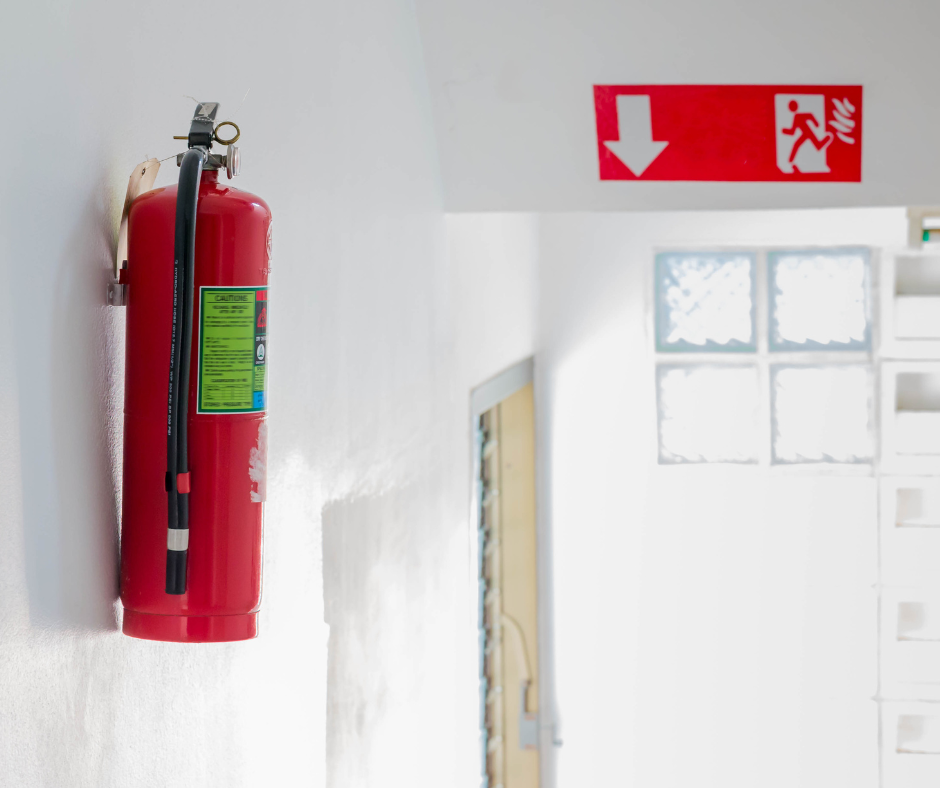
Conducting effective fire risk assessments requires systematic methodology, technical knowledge, and attention to detail that protects residents while satisfying legal obligations. Whether you’re a landlord, property manager, or building owner seeking to understand the fire risk assessment process, this comprehensive guide explains the essential steps, considerations, and best practices for evaluating and managing fire risks in residential properties.
Understanding Fire Risk Assessment Fundamentals
Fire risk assessment is a systematic examination of premises to identify fire hazards, evaluate existing fire safety measures, determine who might be at risk, and establish whether additional precautions are necessary to ensure adequate fire safety. The Regulatory Reform (Fire Safety) Order 2005 requires responsible persons to conduct suitable and sufficient fire risk assessments for all premises under their control, with assessments remaining current and adequate as circumstances change.
The fundamental principle underlying fire and risk assessment involves identifying what could cause fires to start, what could cause fires to spread, who might be harmed by fires, and what measures currently exist to prevent fires and protect people. This systematic approach ensures comprehensive evaluation rather than ad-hoc inspection missing critical risks.
Competent persons must conduct assessments, meaning individuals with sufficient training, experience, knowledge, and other qualities to properly evaluate fire risks and recommend appropriate control measures. While the law doesn’t mandate specific qualifications, most property owners benefit from professional fire risk assessors possessing relevant certifications, substantial experience, and professional indemnity insurance.
Services like Landlords Checks connect property owners with qualified fire risk assessors ensuring comprehensive evaluation meeting all legal requirements while providing defensible documentation protecting both residents and responsible persons’ legal positions.
Preparing for Fire Risk Assessment
Effective fire risk assessment begins before physically inspecting properties. Gather all relevant property information including building plans showing layouts and escape routes, previous fire risk assessments if available, records of fire safety equipment installation and maintenance, details of any building alterations or refurbishments, and information about occupants including numbers and any particular vulnerabilities.
Notify occupants about upcoming assessments appropriately, providing reasonable advance notice respecting tenant privacy while ensuring necessary access. Explain the assessment purpose and approximate duration, outline any areas requiring examination, and request that all areas are accessible on assessment days.
Prepare assessment tools and documentation including templates or checklists covering all required assessment elements, cameras for documenting hazards or deficiencies, measuring devices for verifying distances and dimensions, testing equipment for checking fire alarm functionality, and recording materials for thorough documentation.
Review government fire safety guidance relevant to your property type, particularly the appropriate guide from the “Fire Safety Risk Assessment” series covering sleeping accommodation, offices and shops, or other applicable categories. These guides provide frameworks ensuring comprehensive coverage of all essential assessment elements.
Step 1: Identifying Fire Hazards
Begin fire safety risk assessment by systematically identifying all potential sources of ignition throughout the property. Electrical hazards represent common ignition sources including electrical installations and wiring, appliances and equipment particularly older items, overloaded sockets or extension cables, damaged plugs or cables creating arcing risks, and portable heaters particularly those near combustible materials.
Smoking materials pose significant fire risks especially in buildings where residents smoke indoors. Consider designated smoking areas and disposal facilities, whether smoking restrictions exist and are enforced, and potential for careless disposal of smoking materials igniting waste or furnishings.
Heating systems and equipment require evaluation including boilers and heating installations, radiators and their proximity to combustible materials, hot water systems and their safety features, and any industrial or commercial heating equipment if premises include mixed uses.
Cooking facilities represent major fire hazard sources particularly in HMOs with shared kitchens. Examine cooking appliances and their conditions, extraction systems and grease accumulation, placement of combustibles near cooking areas, and tenant cooking practices if observable during assessment.
Other ignition sources might include arson risks particularly in accessible external areas, hot work activities if maintenance or construction occurs, lightning strike potential for taller buildings, and any processes creating sparks, heat, or flames during normal building use.
Step 2: Identifying Combustible Materials
After identifying ignition sources, examine what materials could fuel fires if ignition occurred. Building construction materials significantly affect fire spread potential. Consider structural elements and their fire resistance ratings, wall and ceiling linings and their flame spread characteristics, floor coverings and their combustibility, and insulation materials particularly in external wall systems following post-Grenfell scrutiny.
Furnishings and contents throughout common areas require evaluation including furniture in entrance halls or communal lounges, curtains and blinds particularly near potential ignition sources, decorative materials and their flame spread properties, and stored items especially in bin stores or plant rooms.
Waste management areas concentrate combustible materials requiring particular attention. Assess bin store locations and their separation from occupied areas, waste accumulation patterns and collection frequencies, recycling materials particularly paper and cardboard storage, and potential for deliberate ignition in accessible waste areas.
Identify any particularly hazardous materials including flammable liquids or gases, chemicals or cleaning products, aerosols and pressurized containers, and any materials presenting explosion risks beyond fire hazards.
Step 3: Identifying People at Risk
Determine who might be harmed if fires occur, paying special attention to vulnerable individuals requiring additional consideration in evacuation planning. Building occupants typically at greatest risk include residents sleeping in bedrooms who might not immediately detect fires starting elsewhere, people with mobility impairments affecting evacuation speed or capability, individuals with sensory impairments potentially limiting fire alarm detection, people with cognitive impairments affecting emergency response, elderly residents who might need evacuation assistance, and young children unable to evacuate independently.
Consider visitors and contractors who might be unfamiliar with escape routes and emergency procedures, particularly contractors working in plant rooms or isolated areas. Neighboring property occupants might face risks if fires could spread beyond the assessed premises.
Assess occupancy patterns and numbers affecting evacuation complexity. Maximum occupancy levels influence escape route capacity requirements, periods when buildings are occupied or vacant affect detection and early warning needs, and staff or management presence during occupied periods impacts supervision and assistance capability.
Understanding who is at risk informs appropriate fire safety measures and evacuation strategies. Buildings housing particularly vulnerable populations require enhanced fire safety provisions beyond minimum regulatory requirements, reflecting moral obligations to protect those unable to protect themselves adequately.
Step 4: Evaluating Existing Fire Safety Measures
Systematically assess all existing fire safety provisions determining whether current measures adequately address identified risks. Fire detection and alarm systems require thorough evaluation covering system type and coverage throughout premises, detector placement and suitability for protected areas, alarm audibility in all locations including within flats if applicable, regular testing and maintenance documentation, and any system defects or performance issues.
Emergency lighting must illuminate escape routes adequately during power failures. Check lighting coverage throughout all escape routes, battery backup duration and reliability, regular testing intervals and documented results, and illumination levels sufficient for safe navigation during evacuations.
Fire doors and compartmentation strategies contain fires and smoke within specific zones. Inspect all fire doors verifying they close fully and latch securely, seals and intumescent strips remain intact and effective, vision panels use appropriate fire-rated glazing where installed, doors remain undamaged with fire resistance intact, and fire stopping around penetrations maintains compartmentation integrity.
Escape routes and exits must allow rapid, safe evacuation from all building areas. Evaluate corridor and stairwell widths meeting minimum standards, travel distances to exits remaining within acceptable limits, final exit doors opening easily from inside without keys, signage clearly indicating escape routes and exits, and freedom from obstructions at all times.
Firefighting equipment should be appropriate and accessible including fire extinguishers of suitable types and capacities, fire blankets in kitchens and cooking areas, equipment mounting in accessible locations with clear signage, regular maintenance and inspection documentation, and staff or occupant training in equipment use if applicable.
Step 5: Recording Findings and Developing Action Plans
Document all assessment findings thoroughly creating permanent records demonstrating systematic evaluation and providing roadmaps for improvement. Assessment reports should identify all fire hazards discovered during inspection, describe people at particular risk from fire, evaluate adequacy of existing fire safety measures, recommend specific improvements prioritized by urgency, and establish review dates for reassessing fire risks.
Prioritize recommendations using consistent risk classification systems. Immediate risks require urgent attention and might necessitate restrictions on building use until resolved. High priority improvements should be addressed within weeks or months depending on specific risks. Medium priority actions can be scheduled over longer periods but shouldn’t be ignored indefinitely. Low priority suggestions represent best practice enhancements beyond minimum regulatory requirements.
Develop detailed action plans for implementing recommendations including specific tasks required for each improvement, responsibilities assigned to appropriate individuals, realistic timelines considering complexity and resources, estimated costs for budgeting purposes, and verification methods confirming effective implementation.
Consider both short-term and long-term strategies. Some improvements can be implemented immediately at minimal cost such as removing obstructions from escape routes or establishing clear fire safety policies. Others require significant planning and investment such as upgrading fire alarm systems or installing additional fire doors throughout buildings.
Step 6: Implementing Fire Safety Improvements
Assessment documentation alone doesn’t improve fire safety—recommendations must be implemented systematically to achieve real risk reduction. Prioritize immediate risks addressing these before lower-priority improvements, as critical deficiencies might render buildings unsafe for continued occupation. Obtain necessary quotes and contractors for significant works, ensuring all installers possess appropriate qualifications and experience with fire safety systems.
Communicate improvements to occupants explaining why changes are necessary, when works will occur and potential disruption, how improvements enhance their safety, and any changes to emergency procedures following implementation. This transparency builds trust and understanding supporting ongoing fire safety management.
Verify that improvements achieve intended fire safety enhancements through testing commissioned systems ensuring proper functionality, inspecting completed works confirming quality and compliance, documenting all improvements for future reference, and updating fire risk assessments reflecting implemented changes.
Budget appropriately for fire safety improvements recognizing that some recommendations involve substantial costs. However, fire safety investment protects lives, satisfies legal obligations, maintains insurance coverage, and ultimately proves far less expensive than consequences of inadequate fire safety management.
Ongoing Fire Safety Management
Fire risk assessment represents the beginning of continuous fire safety management rather than one-time compliance exercises. Establish regular testing schedules for fire safety equipment including weekly fire alarm tests with documented results, monthly emergency lighting checks verifying functionality, periodic inspection of fire doors and their closing mechanisms, and annual professional servicing of fire detection and alarm systems.
Conduct routine inspections between formal reassessments monitoring whether escape routes remain clear of obstructions, fire doors function properly without being wedged open, fire safety equipment remains in place and accessible, no new hazards have emerged requiring attention, and occupant behaviors indicate fire safety awareness.
Implement effective fire safety information and training programs covering building-specific emergency procedures for all occupants, fire safety responsibilities particularly for tenants, fire alarm system operation and response procedures, escape route locations and alternative routes if primary paths become blocked, and assembly point locations where occupants should gather after evacuating.
Review and update fire risk assessments regularly, typically annually as minimum for most properties. Additional reviews are necessary whenever significant changes occur affecting fire risks or fire safety provisions, incidents or near-misses reveal deficiencies in existing arrangements, regulatory changes introduce new requirements, or building use or occupancy patterns change.
Common Fire Risk Assessment Mistakes
Avoid predictable errors that undermine assessment quality and legal defensibility. Insufficient hazard identification occurs when assessors miss subtle fire safety issues that thorough systematic inspection would reveal. Take adequate time for comprehensive evaluation rather than rushing through compliance exercises.
Failure to properly assess people at risk results in evacuation strategies inadequate for actual building occupants. Consider all potentially vulnerable individuals including temporary visitors or contractors unfamiliar with premises.
Inadequate documentation creates problems demonstrating compliance if fire authorities inspect properties or incidents require investigation. Thorough written reports with clear reasoning and evidence provide essential protection for responsible persons.
Unrealistic recommendations suggesting impractical or disproportionate measures reduce assessment credibility and complicate implementation. Recommendations should be proportionate to actual risks while remaining achievable within reasonable timeframes and budgets.
Failing to implement recommendations negates assessment benefits entirely. Fire risk assessments driving no actual improvements represent wasted effort providing no real fire safety enhancement or legal protection.
When to Seek Professional Help
Most property owners benefit from professional fire risk assessors possessing qualifications, experience, and insurance that DIY assessment cannot replicate. Professional fire safety risk assessment provides objective independent evaluation free from familiarity bias, comprehensive technical knowledge covering complex fire safety issues, defensible documentation satisfying regulatory and insurance requirements, and experience identifying both common and unusual fire risks across many properties.
The fire risk assessment cost for professional services, typically £200 to £600 for standard residential properties, represents excellent value compared to potential consequences of inadequate self-assessment. Professional assessment particularly suits complex buildings with unusual features, high-rise residential buildings over 18 meters, HMOs with enhanced fire safety requirements, properties housing vulnerable residents, buildings with previous fire safety issues, and any circumstances where property owners lack confidence in their fire safety competency.
Conclusion
Conducting effective fire risk assessment requires systematic methodology covering hazard identification, people at risk, existing fire safety measures, and development of prioritized action plans. While the process can be undertaken by competent individuals following government guidance carefully, most property owners benefit from professional fire risk assessors providing comprehensive evaluation meeting all legal requirements.
The key to successful fire safety management extends beyond initial assessment to include implementing recommendations promptly, maintaining ongoing vigilance between formal reviews, and fostering fire safety awareness among all building occupants. Services like Landlords Checks help property owners establish comprehensive fire safety management systems ensuring continuous compliance while genuinely protecting residents from fire risks.
Relevant Government Resources: