Ensuring property safety and full legal compliance is a critical duty for every landlord in London. With evolving UK safety legislation and robust council enforcement, landlords must stay proactive in meeting the latest requirements for safety certificates. These documents not only protect tenants but also minimize landlord liability and support a healthy, compliant property rental market. This comprehensive blog covers the legal standards, practical service processes, certification steps, council requirements, and pricing information for landlord safety certificates in London as of 2025.
Understanding Landlord Safety Certificates in London
The government mandates several essential certificates to confirm that rental properties in London are safe and suitable for tenants. The main certificates are:
- Gas Safety Certificate (CP12): Under the Gas Safety (Installation and Use) Regulations 1998, landlords must have all gas appliances, fittings, and flues checked by a Gas Safe registered engineer annually. The resulting certificate must be shared with tenants within 28 days and provided before new tenants move in.
- Electrical Installation Condition Report (EICR): As per the Electrical Safety Standards in the Private Rented Sector (England) Regulations 2020, rental properties must have a full inspection of fixed electrical installations at least every five years. Tenants must receive a copy of the report.
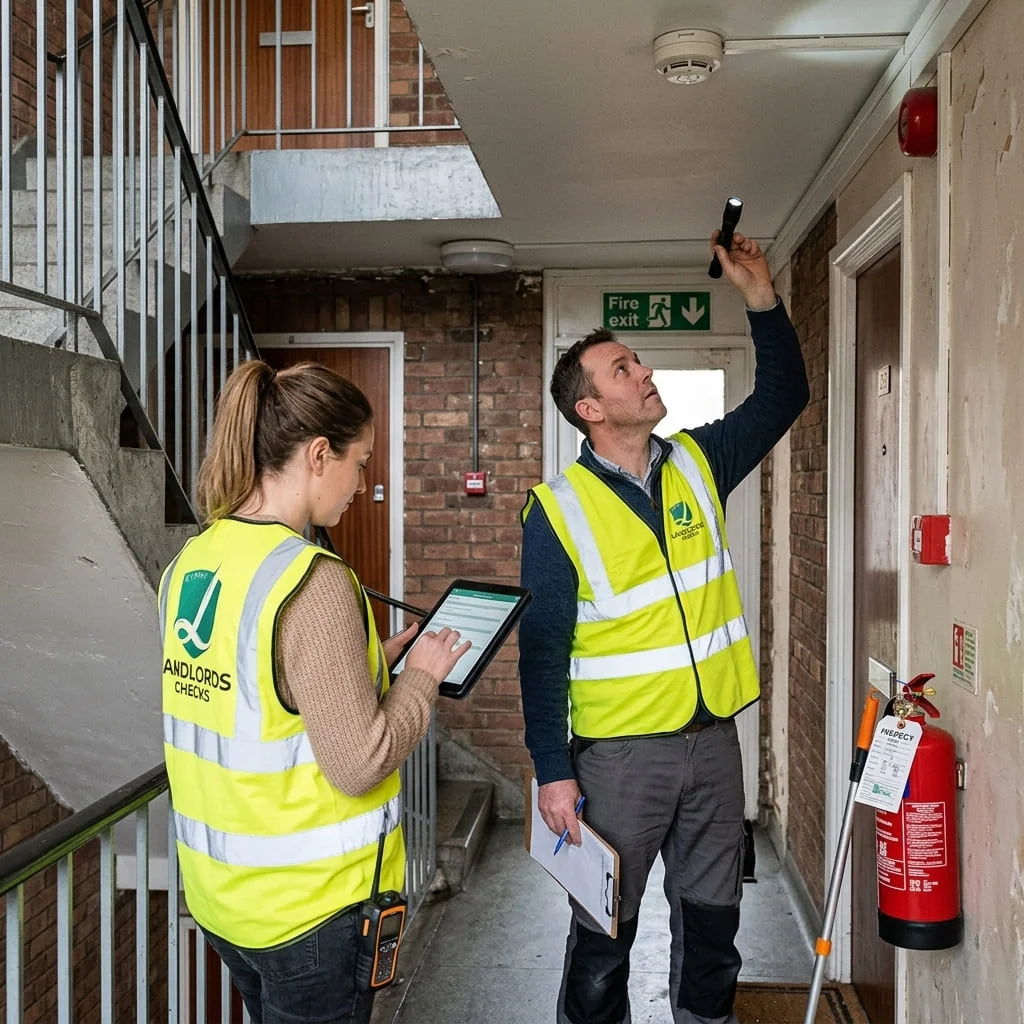
- Fire Risk Assessment: The Regulatory Reform (Fire Safety) Order 2005 makes it mandatory for landlords—especially of HMOs and buildings with communal areas—to perform fire risk assessments and act upon findings to mitigate hazards. This includes installing smoke alarms, carbon monoxide alarms, and maintaining clear escape routes.
- Energy Performance Certificate (EPC): Before letting, properties must achieve at least an E rating on an EPC, which is valid for 10 years. The Minimum Energy Efficiency Standards (MEES) are likely to become stricter in coming years, requiring landlords to plan for upgrades in advance.
Failure to comply with these legal requirements can result in strict penalties, such as significant fines, prosecution, or difficulty regaining possession of a property.
The Process of Obtaining Landlord Safety Certificates
Landlords must engage certified professionals for each safety check:
- Booking Inspections: Arrange appointments with accredited and approved service providers for gas, electrical, fire, and energy assessments.
- Professional Property Inspection: Engineers and assessors will thoroughly check gas fittings, appliances, wiring, fire detection systems, and insulation measures as relevant to each certificate.
- Issuance of Valid Certificates: Upon successful inspection, official certificates are issued confirming compliance with standards. If defects are found, remedial work is required for certificates to be granted.
- Notification and Documentation: Landlords must give tenants all relevant certificates, maintain records for at least two years, and present documentation during council audits or insurance reviews.
Using Gas Safe registered engineers for gas, NICEIC or NAPIT-qualified electricians for electrical safety, and accredited fire assessors for fire risk is vital for certificate validity.
Certification Process: Step-by-Step Guide for Landlords
- Identify certificates needed for your property type (HMO, family home, new build, etc.).
- Book inspections—choose only qualified, registered providers.
- Allow access for scheduled inspections. Ensure tenants are notified when required.
- Address any defects or hazards promptly—unsafe properties cannot legally receive certificates.
- Receive official certificates and issue copies to tenants immediately.
- Retain all documentation for at least two years and ensure all certificates are in date for new and ongoing tenancies.
- Maintaining up-to-date certificates is not optional; it is foundational to legal, safe, and successful property management.
Council Requirements in London
London borough councils—such as Camden, Hackney, and Westminster—are known for strong enforcement of safety standards. Their requirements and actions include:
- Licensing Applications: Landlords, especially of HMOs or properties in selective licensing areas, must submit valid safety certificates as part of new and renewal applications.
- Routine Inspections: Councils conduct audits and spot-checks; landlords must be able to provide proof of up-to-date certificates on request.
- Ongoing Compliance: Missed deadlines, expired documents, or incomplete risk mitigation can lead to improvement notices, fines, or licence revocation.
- Additional Requirements: Certain boroughs may demand further evidence or introduce extra local safety initiatives—always check your council’s rules.
Pricing Guide for Landlord Safety Certificates in London (2025)
Prices can vary depending on property size, number of appliances, and the quality of the service provider. The following bands are typical for standard properties:
- Gas Safety Certificate (CP12): £60 – £90 per year
- Electrical Installation Condition Report (EICR): £100 – £200 per five years (more for large or complex properties)
- Fire Risk Assessment: £80 – £300, depending on property type and size
- Energy Performance Certificate (EPC): £70 – £120, valid for ten years
- **Bundled Packages:** Many providers offer discounted bundles combining several certificates, saving money and streamlining compliance.
Regular review and renewal of all certificates is vital—expired documents do not fulfill legal obligations.
Booking Your Landlord Safety Certificates in London
Proactive, responsible landlords in London can secure peace of mind and full compliance by booking their legal requirements for landlord safety certificates in London with fully accredited providers. These professionals offer best-price guarantees, next-day appointments, and a full range of services to meet all requirements.










 Fire Risk Assessment in London: The Definitive 2026 Guide for Landlords
 Which Companies Provide Landlord Safety Certificates with Free Follow-Up Inspections?
 Which Service Offers Emergency Landlord Safety Certificate Renewals?
 Where Can I Find a Landlord Electrical Safety Certificate Provider?
 Who Provides Landlord Gas Safety Certificates with Online Booking?