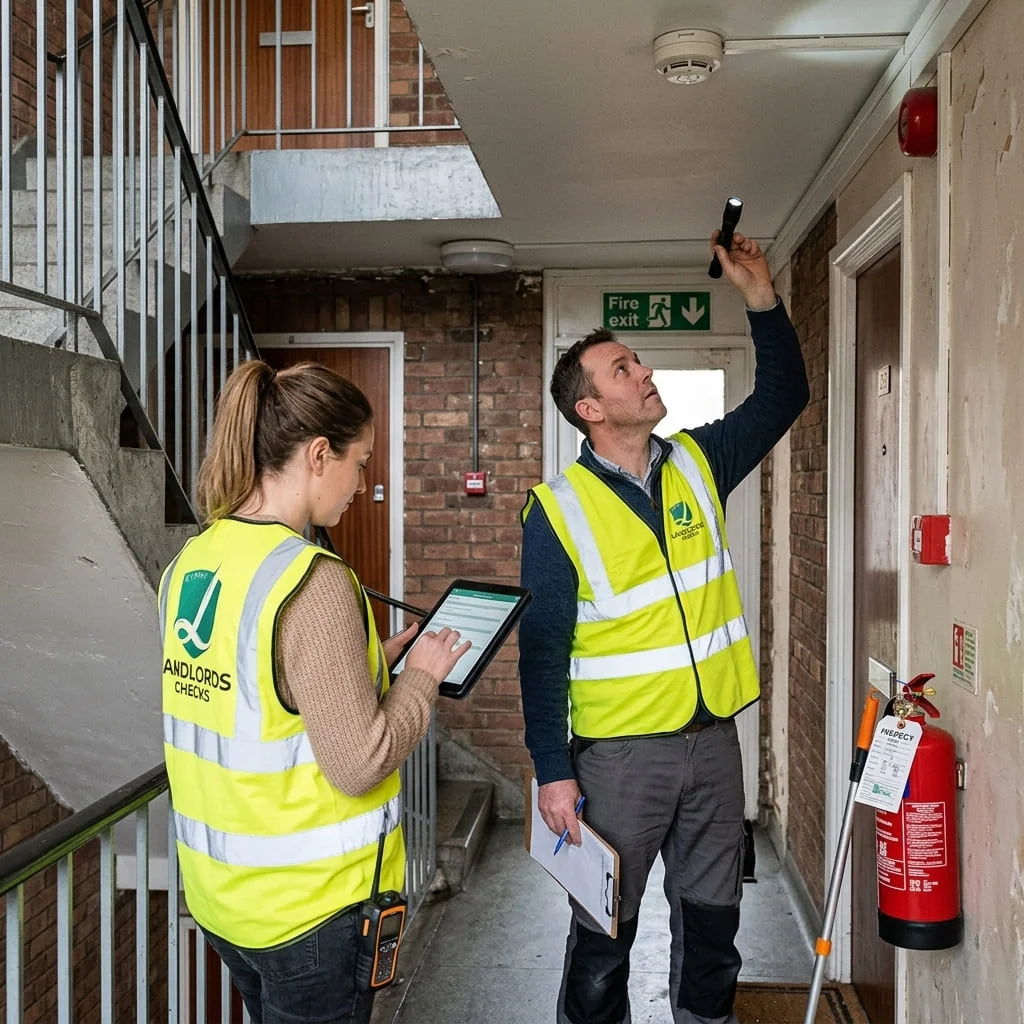
Fire alarm systems are a vital component of fire safety in any building, especially for landlords and property managers in Middlesex. Regular fire alarm testing ensures that these systems function correctly, providing early warning in case of fire and protecting tenants, employees, and visitors. This blog provides an in-depth overview of the laws governing fire alarm testing in Middlesex, the process of testing, certification requirements for landlords, council mandates, and pricing for these essential services.
Legal Requirements for Fire Alarm Testing in Middlesex
The Regulatory Reform (Fire Safety) Order 2005 (RRO) is the primary legislation governing fire safety in England and Wales, including Middlesex. It places the responsibility for fire safety on the “responsible person,” typically the landlord, employer, or building owner. This includes ensuring that fire detection and alarm systems are installed, maintained, and regularly tested.
British Standard BS 5839-1:2017 provides detailed guidance on the design, installation, commissioning, and maintenance of fire alarm systems in non-domestic premises. It mandates weekly testing of fire alarm systems to verify functionality, with tests carried out by the responsible person or a trained delegate.
Failure to comply with these requirements can lead to enforcement actions, fines, or prosecution by local fire authorities or councils.
The Fire Alarm Testing Process in Middlesex
Effective fire alarm testing involves several key steps:
- Weekly Testing: The responsible person or a designated, trained individual should perform a weekly test of the fire alarm system. This involves activating different manual call points each week to ensure all parts of the system are operational.
- Periodic Maintenance: A qualified fire alarm engineer should conduct more detailed inspections and maintenance at least twice a year, including testing the control panel, batteries, detectors, and sounders.
- Record Keeping: All tests and maintenance activities must be logged in a fire logbook or digital record, noting the date, time, person conducting the test, and any faults or remedial actions.
- Fault Resolution: Any faults or defects identified during testing must be addressed promptly by qualified professionals to maintain system integrity.
Regular testing ensures early detection of faults and confirms that the system will perform effectively in an emergency.
Certification Process for Landlords
Landlords in Middlesex must ensure that fire alarm systems are tested and maintained by competent persons. Certification involves:
- Engaging qualified fire safety engineers accredited by recognised bodies such as the National Association of Fire Safety Professionals (NAFSP) or the Fire Industry Association (FIA).
- Obtaining formal reports and certificates following periodic maintenance and testing visits.
- Maintaining comprehensive records of all weekly tests, maintenance, and repairs.
- Providing documentation to tenants, insurers, and local authorities when required.
Proper certification demonstrates compliance with legal obligations and helps protect landlords from liability.
Council Requirements in Middlesex
Local councils in Middlesex, including Hillingdon, Hounslow, and Ealing, enforce fire safety regulations as part of their property licensing and health and safety oversight. Landlords must:
- Submit evidence of regular fire alarm testing and maintenance as part of licensing applications or renewals.
- Ensure fire alarm systems comply with BS 5839-1 and are suitable for the property’s size and use.
- Allow council inspections and provide fire safety documentation upon request.
- Address any enforcement notices promptly to avoid fines or license revocation.
Consult your local council’s website for specific guidance and requirements.
Pricing of Fire Alarm Testing Services in Middlesex
The cost of fire alarm testing and maintenance in Middlesex varies depending on property size, system complexity, and service frequency. Typical pricing includes:
- Weekly testing by responsible persons: no direct cost but requires trained personnel time.
- Bi-annual maintenance and testing by qualified engineers: £150 to £400 per visit.
- Installation or upgrade of fire alarm systems: varies widely based on system size and features.
- Emergency call-outs and repairs: additional charges may apply.
Many providers offer service contracts bundling testing, maintenance, and certification for cost efficiency.
Booking Your Fire Alarm Testing in Middlesex
For landlords and property managers seeking trusted, professional fire safety services, booking your Fire Alarm Testing in Middlesex ensures compliance with all legal and safety requirements. Experienced assessors provide thorough inspections, detailed reports, and practical advice to maintain your fire alarm system’s reliability.










 Fire Risk Assessment in London: The Definitive 2026 Guide for Landlords
 Which Companies Provide Landlord Safety Certificates with Free Follow-Up Inspections?
 Which Service Offers Emergency Landlord Safety Certificate Renewals?
 Where Can I Find a Landlord Electrical Safety Certificate Provider?
 Who Provides Landlord Gas Safety Certificates with Online Booking?