For landlords in London, securing the appropriate landlord safety certificate is vital to ensure rental properties meet legal standards, protect tenants, and minimize liability. These certificates encompass a range of safety checks including gas, electrical, and fire risk assessments mandated by UK legislation and local council regulations. This guide comprehensively explains the relevant laws, service processes, certification requirements, council obligations, and typical pricing, empowering landlords to confidently manage compliance in 2025.
Legal Requirements for Landlord Safety Certificates in London
Landlords must obtain several safety certificates prior to letting residential properties:
- Gas Safety Certificate (CP12): Annual gas safety inspections by Gas Safe registered engineers are compulsory under the Gas Safety (Installation and Use) Regulations 1998. The certificate must be provided to tenants within 28 days of inspection or before the tenancy begins. Failure to comply can lead to fines or prosecution.
- Electrical Installation Condition Report (EICR): Since July 2020, all rental properties must have electrical installations inspected and tested every five years by qualified electricians. Landlords must supply tenants with the report.
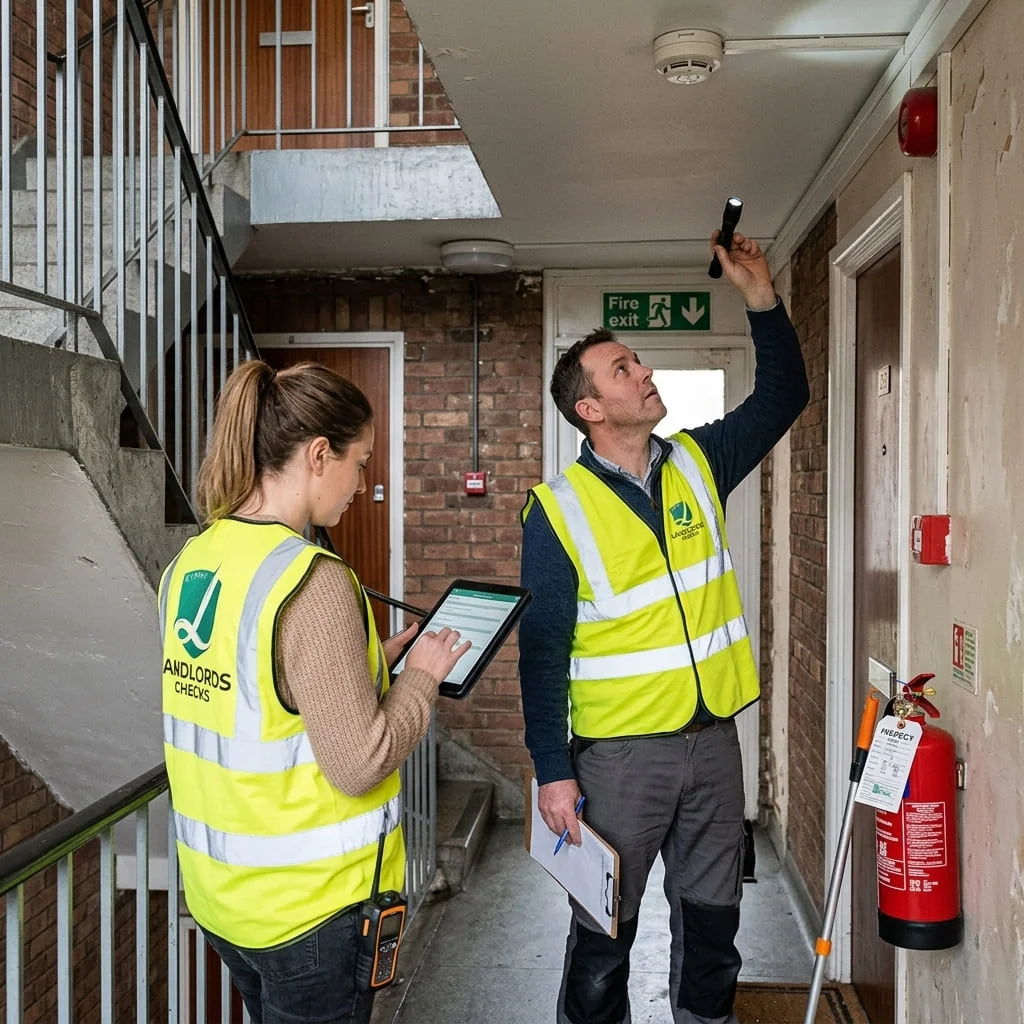
- Fire Risk Assessment: Particularly for Houses in Multiple Occupation (HMOs) and buildings with communal areas, landlords must conduct fire risk assessments to identify and mitigate fire hazards in accordance with the Regulatory Reform (Fire Safety) Order 2005.
- Energy Performance Certificate (EPC): Landlords must provide a valid EPC with at least an E rating before letting. The certificate lasts ten years and reflects the property’s energy efficiency.
Failure to obtain and display valid certificates can result in penalties, rental restrictions, and increased landlord liability.
The Process of Obtaining Landlord Safety Certificates
Obtaining certificates involves engaging accredited professionals who undertake thorough inspections and issue legally valid documents. The typical process entails:
- Booking Inspections: Landlords schedule appointments with Gas Safe engineers for gas, qualified electricians for electrical, and certified fire risk assessors.
- Property Inspection: Professionals inspect appliances, wiring, fire safety measures, energy performance, and possible hazards.
- Addressing Defects: Any safety issues identified must be promptly rectified by qualified contractors.
- Issuance of Certificates: Upon successful inspections and remediation, certificates and reports confirming compliance are provided.
- Tenant Notification and Record Keeping: Landlords deliver copies to tenants within regulatory timeframes and maintain records for at least two years.
Selecting registered professionals ensures certificates are accepted by councils, insurers, and tenants.
Certification Process for Landlords
London landlords must ensure:
- Certificates come from accredited engineers and assessors.
- All certificates are kept current and renewed according to legal deadlines.
- Tenants promptly receive copies of all relevant certificates.
- Identified defects or safety issues are corrected immediately by qualified professionals.
Maintaining valid certificates demonstrates due diligence and reduces potential legal exposure.
Council Requirements and Enforcement
London borough councils, such as Camden, Westminster, and Hackney, strictly enforce landlord safety standards:
- Valid landlord safety certificates are required for property licensing applications and renewals, especially in selective and HMO licensing areas.
- Fire safety requirements include mandatory fire risk assessments, installation of smoke and carbon monoxide alarms, and appropriate fire alarm systems.
- Regular council inspections may verify ongoing compliance with safety standards.
- Penalties for failure to comply range from substantial fines to licence revocation or prosecution.
Landlords should verify local council guidelines for specific mandates and deadlines.
Pricing of Landlord Safety Certificate Services in London
Costs generally vary by property size, complexity, and service provider. Typical fees include:
- Gas Safety Certificate (CP12): £60 to £90 annually for standard residential properties.
- Electrical Installation Condition Report (EICR): £100 to £200 depending on property complexity.
- Fire Risk Assessment: £80 to £300 based on property size and type.
- Energy Performance Certificate (EPC): £70 to £120.
Bundled packages combining multiple certificates often give landlords cost-effective solutions.
Booking Your Landlord Safety Certificate London
Landlords seeking reliable certificate services should consider booking their landlord safety certificate London through trusted providers offering Gas Safe registered engineers and qualified assessors. These professionals ensure comprehensive inspections and prompt issuance of valid certificates, fundamental for tenant safety and legal compliance.










 Fire Risk Assessment in London: The Definitive 2026 Guide for Landlords
 Which Companies Provide Landlord Safety Certificates with Free Follow-Up Inspections?
 Which Service Offers Emergency Landlord Safety Certificate Renewals?
 Where Can I Find a Landlord Electrical Safety Certificate Provider?
 Who Provides Landlord Gas Safety Certificates with Online Booking?