







Guides and Resources

A fire risk assessment is a legal requirement for most non-domestic premises in the UK. It’s a systematic evaluation to identify fire hazards and ensure the safety of occupants. Here’s a comprehensive guide:

1. Understanding the Legal Requirements:

  • Regulatory Reform (Fire Safety) Order 2005: This is the primary legislation. It places the responsibility on the “responsible person,” which is usually the employer, owner, or landlord.
  • Purpose: To identify fire hazards, evaluate risks, and implement control measures.

2. Key Steps in a Fire Risk Assessment:

  • Identify Fire Hazards:
    • Sources of ignition (e.g., electrical equipment, heating systems).
    • Sources of fuel (e.g., flammable materials, furniture).
    • Sources of oxygen (e.g., ventilation systems).
  • Identify People at Risk:
    • Employees, visitors, tenants, and anyone else who may be on the premises.
    • Consider vulnerable individuals (e.g., disabled persons).
  • Evaluate, Remove, or Reduce Risks:
    • Implement control measures to minimize or eliminate hazards.
    • This may include installing fire alarms, fire extinguishers, and fire doors.
  • Record Your Findings:
    • Document the assessment, including identified hazards, risks, and control measures.
    • This is a legal requirement if you have five or more employees.
  • Plan for Emergencies:
    • Develop an emergency plan, including evacuation procedures and assembly points.
    • Provide fire safety training to employees.
  • Review and Update Regularly:
    • Fire risk assessments should be reviewed regularly, especially after any changes to the premises or processes.
    • A yearly review is considered best practice.

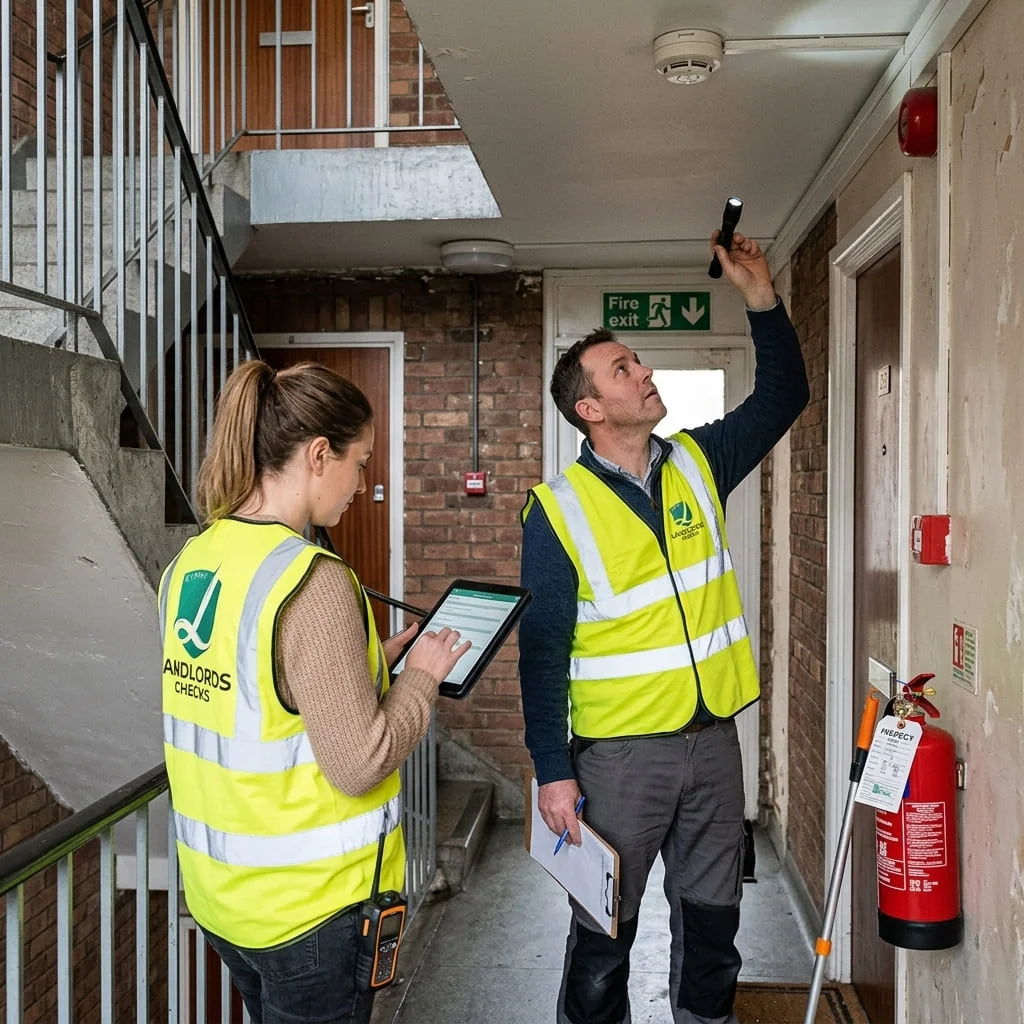
3. What a Fire Risk Assessor Will Do:

  • Inspect the premises thoroughly.
  • Analyze existing fire safety measures.
  • Provide a detailed report with recommendations.
  • Help develop a fire safety plan.
  • Create evacuation plans.

4. Key Fire Safety Measures:

  • Fire Detection and Warning Systems: Smoke alarms, heat detectors, and fire alarm systems.
  • Fire Extinguishing Equipment: Fire extinguishers, fire blankets, and sprinkler systems.
  • Means of Escape: Clear and unobstructed escape routes, fire doors, and emergency lighting.
  • Fire Safety Signage: Informative signs indicating escape routes and fire equipment.
  • Fire Safety Training: Regular training for employees on fire safety procedures.

5. Choosing a Fire Risk Assessor:

  • Ensure they are competent and qualified.
  • Check for accreditation or certifications.
  • Ask for references and examples of previous work.
  • Ensure they are fully insured.

6. Importance of Regular Reviews:

  • Changes in the workplace can introduce new fire hazards.
  • Regular reviews ensure that fire safety measures remain effective.
  • Reviews are legally required.

By following this guide, you can ensure that your premises are safe and compliant with fire safety regulations.

Talk To Us!

Get in touch if you're uncertain or need assistance ?

020 8609 7777

Talk to a Friendly Advisor

Accreditations

Help & Advice

    Call Us