Ensuring the electrical safety of rental properties is a fundamental responsibility for landlords across London. An important aspect of this duty is securing a valid electrical safety certificate, also known as an Electrical Installation Condition Report (EICR). This certificate confirms that the electrical installations in a property meet current safety standards, minimizing risks of fire, electric shock, and other hazards.
This detailed guide covers the laws governing electrical safety certificates, the process of obtaining one, certification requirements for landlords, council enforcement in London, and typical pricing structures that apply in 2025.
Legal Framework for Electrical Safety Certificates
Since 1 April 2021, under the Electrical Safety Standards in the Private Rented Sector (England) Regulations 2020, landlords are legally required to have an electrical safety certificate for every rental property. This legislation mandates that all fixed electrical installations must be inspected and tested at least every five years by a qualified electrician.
The primary objectives of these regulations are to protect tenants from electrical hazards and to ensure that landlords maintain safe electrical systems.
The Electrical Safety Certificate Explained
An Electrical Installation Condition Report or safety certificate documents the condition of electrical installations such as wiring, fuse boxes, sockets, lighting, and other fixed electrical equipment in a property. The inspection identifies potential faults, defects or safety hazards and assesses compliance with the UK’s 18th Edition IET Wiring Regulations (BS 7671).
The report categorizes findings by severity:
- Code 1 (C1): Immediate danger — requires urgent remedial action.
- Code 2 (C2): Potentially dangerous — requires prompt repair.
- Code 3 (C3): Improvement recommended for safety or performance.
- Further Investigation (FI): Additional work or inspection needed.
Landlords are required to fix any C1 or C2 issues immediately within 28 days or sooner when specified, and provide evidence of the remedial work.
The Certification Process for Landlords
Obtaining a safety certificate involves hiring a qualified, registered electrician—accredited with a recognised membership body such as NICEIC, NAPIT, or Elecsa—to perform the inspection and testing. The process typically follows these steps:
- Booking an Inspection: Landlords arrange appointments with a trusted professional to conduct the EICR.
- On-site Survey: Inspectors test wiring, cabling, consumer units, earthing, bonding, and fixed appliances for defects or safety issues.
- Report Generation: The electrician issues a detailed certificate highlighting the condition of the installation and any recommendations or required repairs.
- Distribution and Record-Keeping: Landlords must provide tenants with a copy of the certificate within 28 days of the inspection and keep records for at least five years.
Using experienced electricians who understand the legislative requirements helps landlords stay compliant and reduces the risk of non-compliance penalties.
Council Enforcement and Additional Requirements in London
Local councils in London — including boroughs like Camden, Hackney, and Westminster — strictly enforce electrical safety standards for rented properties. The electrical safety certificate is often a requirement of residential property licensing schemes, especially in Houses of Multiple Occupation (HMOs).
Councils may:
- Request valid EICRs during licensing applications and inspections.
- Impose penalties and fines for landlords failing to produce valid certificates.
- Conduct enforcement action requiring urgent remedial work in dangerous properties.
- Mandate accompanying safety upgrades such as fire alarms and CO detectors.
Failure to comply risks sizeable fines, legal action, and damage to the landlord’s reputation. Tenants also have the right to request electrical safety certificates and escalate concerns to councils.
Pricing of Electrical Safety Certificate Services in London
The cost of obtaining an electrical safety certificate depends on several factors, including property size, complexity of the wiring system, number of circuits, and urgency. Typical pricing ranges in 2025 are:
- Standard 1-2 bedroom residential property: £100 – £150
- Larger homes or HMOs: £150 – £250
- Complex or commercial properties: prices vary, often quoted individually
Many service providers offer discounted bundles if combined with other landlord certificates such as gas safety or fire risk assessments, providing convenience and cost savings.
Landlords are advised to avoid cheap or uncertified providers, as only registered electricians can produce legally valid certificates recognized by councils and insurers.
Your Next Step to Electrical Safety Compliance
For landlords seeking professional and trusted services, booking your safety certificate electrical through reputable specialists is essential. Proper certification ensures compliance, tenant safety, and peace of mind.










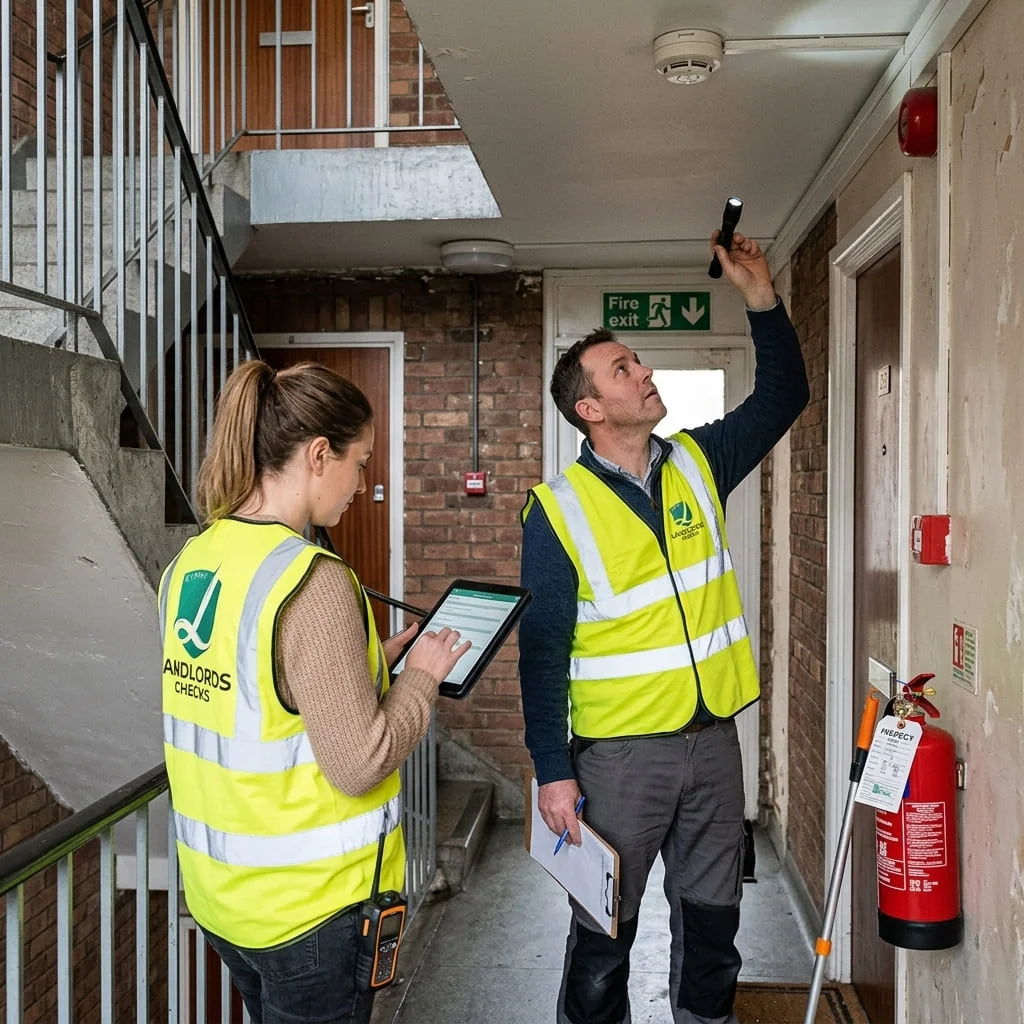 Fire Risk Assessment in London: The Definitive 2026 Guide for Landlords
 Which Companies Provide Landlord Safety Certificates with Free Follow-Up Inspections?
 Which Service Offers Emergency Landlord Safety Certificate Renewals?
 Where Can I Find a Landlord Electrical Safety Certificate Provider?
 Who Provides Landlord Gas Safety Certificates with Online Booking?